The Schwab Debit Card Abroad: ATM Rebates, Fees and a Backup Plan
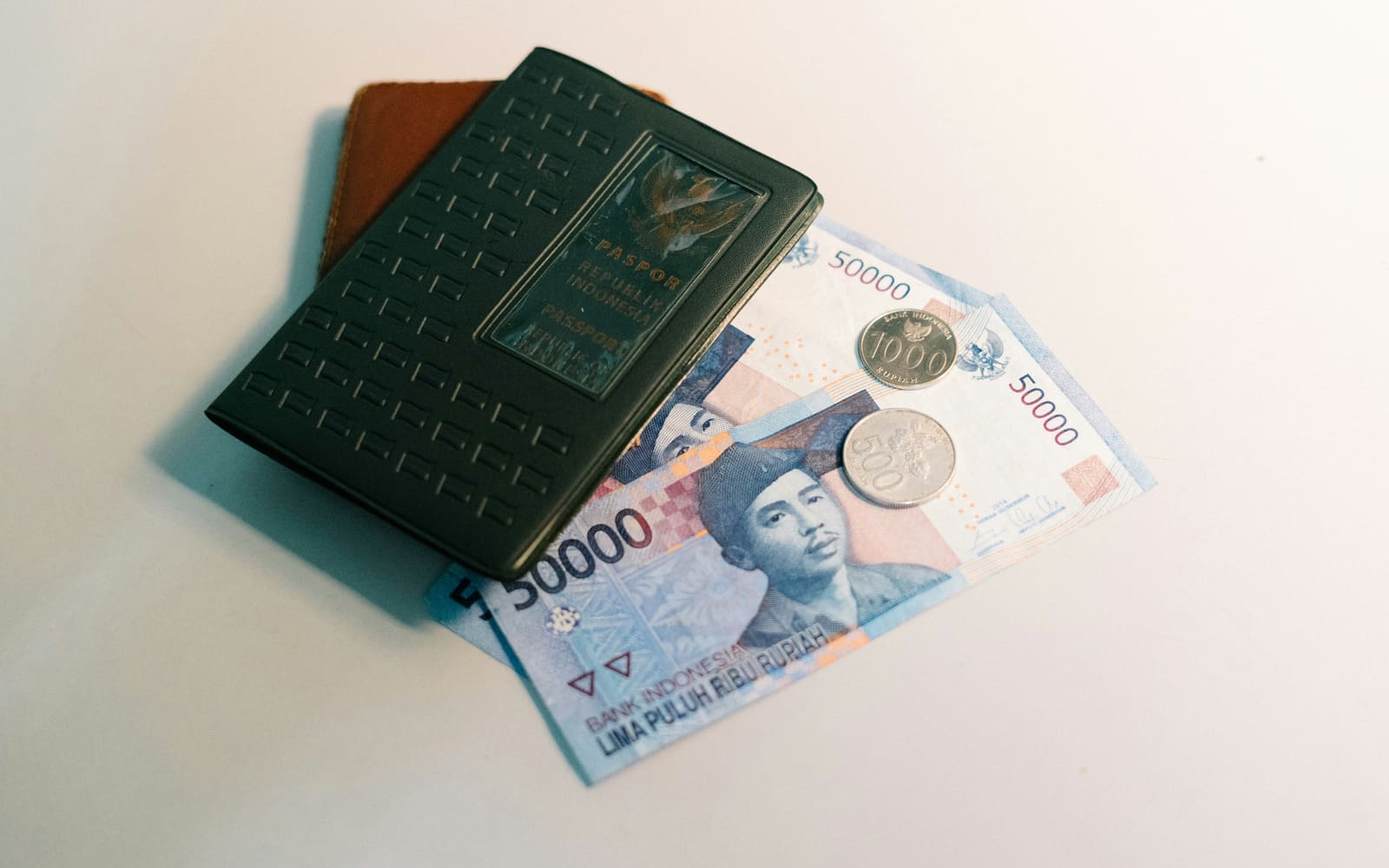
A declined debit card is annoying at home. Abroad, it can block the cash you need for a rental deposit or a doctor who doesn’t take cards.
Ask an expat Facebook group about ATM fees and someone will tell you to get the Schwab debit card. I use one in Costa Rica, and I’d give the same advice. The card also has limits that the forum posts skip, and it won’t save you if the rest of your banking setup falls apart the first time your bank sees a foreign login.
Schwab Investor Checking, in plain terms
The card comes with Schwab Bank Investor Checking. Schwab links that account to a Schwab One brokerage account, so you open both at once. The brokerage account can sit empty if you don’t plan to invest through it.
Two features make it popular with people who live abroad. Schwab rebates eligible ATM fees, including fees charged by foreign ATMs, and it doesn’t charge a foreign transaction fee on debit card purchases. You pay the ATM’s fee at the machine, and Schwab credits it back at the end of the statement period.
Read the current account terms before you apply. Schwab sets its own residency and address rules, and those rules decide whether you can open the account and how Schwab treats it after you move.
Fees the rebate won’t cover
The rebate covers the ATM operator’s withdrawal fee. It doesn’t cover Dynamic Currency Conversion, which is the screen offering to charge you in dollars instead of the local currency. Accept it and the ATM operator sets its own exchange rate, with a markup that can beat any fee Schwab would have refunded.
Decline the conversion. Choose the local currency on the ATM screen, and let the Visa network handle the exchange rate. Card terminals in shops and restaurants make the same offer, and the answer is the same.
Merchant surcharges sit outside the rebate too. A shop that adds a percentage for card payments keeps that money, and Schwab won’t refund it.
Using it at a foreign ATM
Use ATMs attached to a bank branch. Freestanding machines in tourist areas tend to charge more, and they’re easier targets for card skimmers.
Expect a lower limit per withdrawal than you’re used to. Local ATMs set their own caps, and some of them sit well below your card’s daily limit. Take out the amount you need in one withdrawal instead of three, so you pay one ATM fee and wait for one rebate.
In Costa Rica, I withdraw $300 a day with my Schwab card and deposit the cash at my local bank branch. The routine is slow, but I pay no transfer fee, and Schwab refunds the eligible ATM fee each month.
Check your statement after the first month abroad. Match each ATM fee to its rebate, so you know the setup works before you rely on it for rent.
Open it before you leave
Apply while you still live at your US address. Schwab’s identity checks can ask for documents that are easier to produce from home, and the debit card ships to a US address. Plan on a week or more for the card to arrive, and don’t count on Schwab mailing it to your new country.
Ask Schwab how it handles a customer who moves abroad, and give it accurate information when its terms require it. Brokerages and banks treat a foreign address in different ways, and some products stop working for non-US residents. A virtual mailbox keeps a stable US mailing address for statements and replacement cards, but it doesn’t change what Schwab’s rules say about residency.
Download the Schwab app, turn on transaction alerts, and save Schwab’s international support number in your contacts before you fly.
Comparing Schwab with other US accounts
Other US accounts offer ATM rebates too, and the right pick depends on how you’ll use it. Compare any account you’re considering on these points, using the fee schedule instead of the marketing page:
- Foreign transaction fees on debit purchases. Some accounts that rebate ATM fees still charge a percentage on card purchases abroad. That fee adds up faster than ATM charges if you swipe the card in shops.
- ATM fee rebates and their limits. Check whether the account rebates foreign ATM fees, how many per month, and whether it caps the dollar amount.
- Authenticator app support. An account that sends codes by text and nothing else ties you to a US cellular line for as long as you keep it.
- Its policy on customers who move abroad. Ask before you open it. A bank that closes accounts for foreign residents is a bad place to park your emergency money.
- Replacement cards. Ask whether the bank will ship a replacement card to a foreign address. A lost card six weeks before a trip home is a common way to end up without cash.
Keep your existing big-bank account if it works for direct deposits and bill pay. Add Schwab or a similar account for travel cash, and test both before you leave.
One card isn’t a banking plan
Treat Schwab as your backup and carry two other cards with it. I keep all three in different places:
- A no-foreign-transaction-fee credit card for daily spending. Chase Sapphire Preferred and Capital One Venture both charge a $95 annual fee, and Capital One VentureOne skips the annual fee. Compare the current disclosures, since benefits and fees change.
- A Wise card for spending in the local currency. Wise converts at the mid-market rate plus a disclosed fee. Its ATM allowance for US-issued cards changed in May 2026, so check the current ATM fee table before you count on free withdrawals.
- The Schwab debit card for cash and emergencies. This is the card you protect. It stays at home with your passport unless you’re heading to an ATM.
Keep the credit card in your wallet and the Wise card in your day bag. A stolen wallet then costs you one card instead of all your access to money.
Wise and Revolut work alongside your US bank. Neither one replaces it. Your paycheck or retirement income still lands in the US account, and you move what you need into Wise when you need local currency. Revolut has better budgeting tools, and Wise handles more currencies. Pick one.
Keep your logins working
Your bigger risk abroad is your bank refusing to let you log in.
Log in from a US IP address. Banks flag logins from foreign IPs and from commercial VPN datacenter ranges. A Tailscale exit node at a family member’s house gives you a residential US address for banking, and it costs less than a year of most VPNs.
Move two-factor codes off SMS where you can. Switch each account that supports it to an authenticator app. I use 1Password, which stores the codes next to the passwords. Some banks still send codes by text and nothing else. Keep a cellular US number for those, because many of them reject Google Voice. The Google Voice abroad post covers the two-line setup.
Stop relying on travel notices. Chase no longer accepts them, and it asks customers to keep contact details current and turn on account alerts instead. Do the same at each bank you keep.
Before you go
Run these checks while you can still walk into a branch:
- Withdraw cash with the Schwab card at an out-of-network ATM. Confirm the rebate shows up on your statement.
- Log in to each bank and brokerage through your exit node. Confirm none of them throws a security challenge you can’t answer from abroad.
- Trigger a two-factor code at each account. Make sure it arrives on the method you’ll have abroad.
- Write down each bank’s international support number. Store the numbers in your password manager and on paper with your passport.
Banking is one chapter of the move. The free 47-item checklist covers the rest of the accounts and devices to sort before you leave. The Exit Nerd’s Guide goes deeper on authenticator apps and the address strategy that keeps your cards from flagging the day you land.